What we take on when there is mold
The useful thing we bring to a mold problem is proportion. Owners get quoted frightening numbers by remediation firms, buyers imagine worse, and nobody in the transaction can actually tell how bad the mold is.
We do this work constantly, at contractor pricing, so we know the difference between contained mold in a basement corner and mold that has reached the HVAC. We will tell you which one yours looks like. If it is the contained kind and the Elmont market would reward remediating it and listing, we will say so.
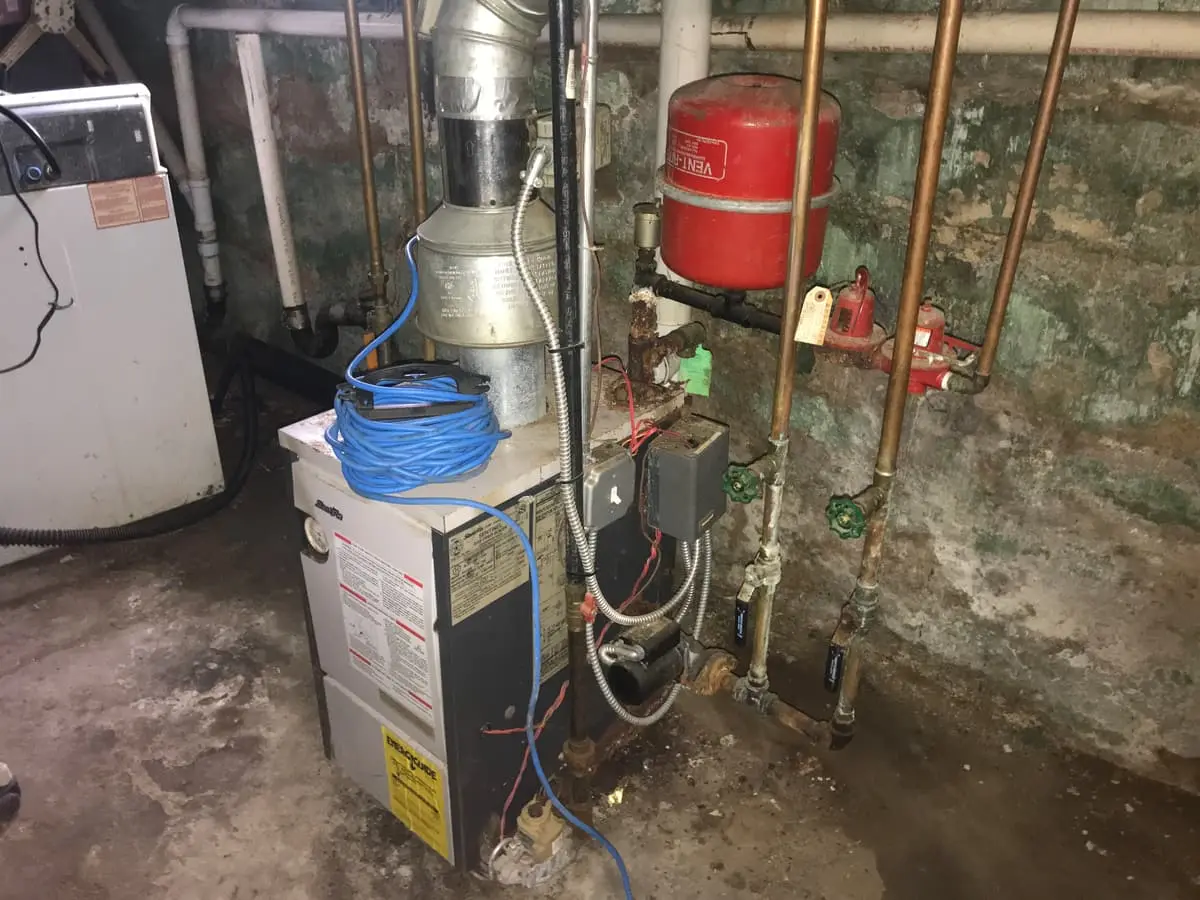
The word itself is what kills the contract
Two things have to survive for a listed sale to close: the buyer's nerve and the buyer's lender. Mold tends to take out both.
The buyer reads a report they cannot interpret. The lender sees mold noted on an appraisal and starts asking for remediation and clearance documentation before it will fund anything. Either one alone can end the contract, and the house goes back on the market in Elmont looking staler than before.
The Elmont market underneath this
The median has slipped 1.35% year over year as of 2026-05. It is a small move, but a softening market punishes the houses that need work first - buyers with choices do not choose the project. A $725,000 median puts Elmont in the band where buyers are stretching to afford the house and have nothing left for the roof. That is precisely the buyer who walks away from a property needing work, and it is why condition matters more here than the price alone suggests. The median house goes under contract in about 43 days, which is not slow - but it describes houses that were already showable on day one.
A four-bedroom on Harrison Street. A three-bedroom on Renfrew Avenue. A three-bedroom on Rosser Avenue. All of them in Elmont, all bought by us.
You do not need to test the mold first
People commission mold testing because they assume a buyer will demand it. We do not.
A lab report tends to be precise about species and vague about scope, and scope is the part that sets the price. We would rather walk the basement, look at the grading outside, and find where the water is getting in. That tells us more about the mold than a test does, and it costs you nothing.
If the mold came back, the cause was never solved
Mold is a symptom. If it came back after a previous remediation, the underlying water problem was never solved, and that water is what a buyer should actually be pricing.
We assume there is a cause and we go looking for it rather than treating the visible mold as the whole job. A grading problem, failed flashing, a slow supply line, a basement that takes water every spring. The mold is simply where the water became visible.
How selling a house with mold in Elmont works
- 1
Start with the basics
Where the house is (11003) and a rough sense of its condition is all we need to begin. Call or use the form. Nothing needs fixing or clearing out beforehand.
- 2
We walk through it once
A single visit by one person, normally under thirty minutes. With a cape cod or ranch built when most of Elmont was, the roof, heating and electric matter far more to us than the kitchen does.
- 3
A written offer within 24 hours
One figure, in writing, inside 24 hours. Not a range. Show it to a Nassau County agent if you want a second view; if the house is already in good enough shape to list, an agent may get you more, and we will say so.
- 4
You pick the closing date
Fast if you need fast, or months out if you are waiting on probate, a tenant, or somewhere to move to. Either way you skip the 88 to 103 days a listed Elmont house spends finding a buyer and then waiting on that buyer's mortgage.
Why cash matters when there is mold in an Elmont house
Sellers sometimes try to solve the problem by remediating the mold before listing. It can work, it is occasionally the right call, and we will tell you when we think so.
The risk is that you fund the mold remediation, a new inspection finds staining or moisture somewhere else, and the next buyer walks anyway. Paying for remediation before you know whether the cause is fixed is how sellers end up buying the same mold job twice.
What you do not pay when you sell a house with mold
Each of the following comes with a retail listing of a house with mold, and none of it comes with ours.
- Agent commission
- $36,250 at 5% of the Elmont median none
- Seller closing costs
- About $14,500 on a $725,000 sale. We can cover these. none
- Repairs to make it listable
- Everything a buyer would flag, paid for before you list none
- Cleanout and removal
- Per truckload, before anyone views it none
- Carrying costs while it waits
- Taxes, insurance and utilities through the 88 to 103 days a listing takes to sell and close none
Telling us about the mold, and what you owe a buyer
New York has disclosure obligations for sellers and what applies to your situation is a legal question. Ask your attorney about mold disclosure before you sell to anyone.
Separately from that: tell us. We would much rather know. Nothing you say about the mold will make us withdraw, and everything you say makes our number more accurate the first time. The deals that fall apart are the ones built on incomplete information, and that serves nobody.
Common questions
Do I have to disclose mold when selling an Elmont house?
New York has disclosure obligations for sellers and you should ask your attorney what applies to you. Separately from that: tell us. We would much rather know about the mold up front.
The mold is only in the basement. Does that help?
Usually yes. Basement mold is more contained than mold in living space or in the HVAC, and it is often the cheaper remediation. We will tell you what we see when we look.
Do I need to remediate the mold before you buy?
Not at all. No remediation, no testing, no cleanup. The mold is priced into the offer, and the offer does not move afterward.
Will mold destroy my offer price?
It changes the figure, not the willingness. And because we do remediation at contractor pricing, the deduction is usually smaller than the quotes homeowners get handed.
A buyer already walked away over mold. Does that hurt my chances with you?
Not at all, and it is extremely common. A retail buyer walking over mold tells us something about that buyer, not about your house.