Working with multiple heirs on one property
Multiple heirs is the situation where an experienced buyer earns their place, because there are more ways for the sale to come apart than in an ordinary one.
We have handled a great many of them. We know every heir on the deed has to sign, that one absent heir stops everything, and that families need room to reach agreement without a buyer calling weekly. So we give you a firm number, put it in front of everyone at once, and then let you work.
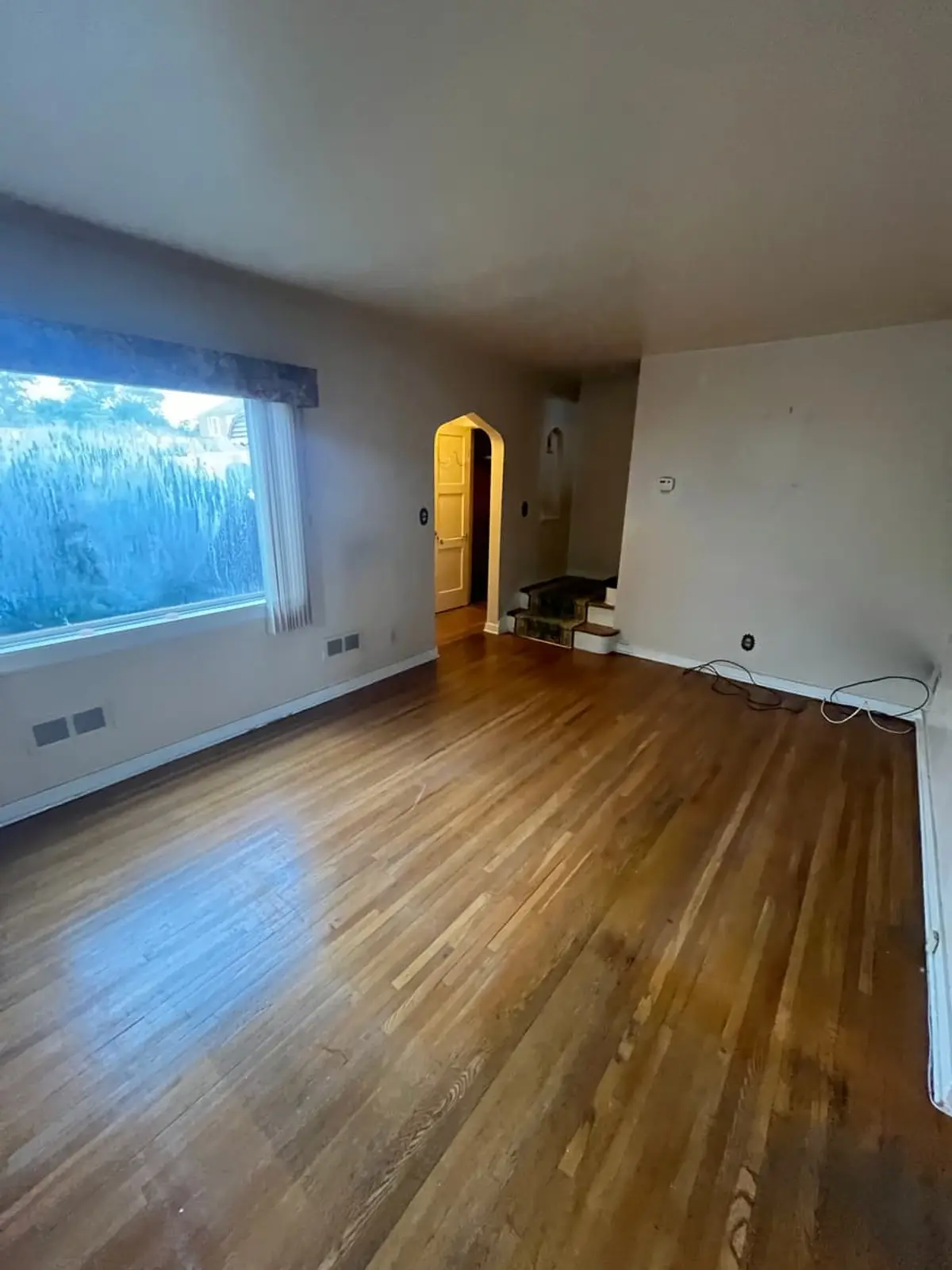
A real number ends most of the argument between heirs
A surprising amount of family disagreement is really disagreement about what the house is worth. One sibling has a figure from a neighbor's sale a few years back, another read something online, a third is defending a memory rather than a price.
A written offer replaces all of that with one number to discuss instead of three imaginary ones. It frequently turns out the gap between the heirs was never as wide as it felt.
The Elmont market underneath this
The median has slipped 1.35% year over year as of 2026-05. It is a small move, but a softening market punishes the houses that need work first - buyers with choices do not choose the project. A $725,000 median puts Elmont in the band where buyers are stretching to afford the house and have nothing left for the roof. That is precisely the buyer who walks away from a property needing work, and it is why condition matters more here than the price alone suggests. The median house goes under contract in about 43 days, which is not slow - but it describes houses that were already showable on day one.
A four-bedroom on Harrison Street. A three-bedroom on Renfrew Avenue. A three-bedroom on Rosser Avenue. All of them in Elmont, all bought by us.
Every heir on the deed has to sign
Heirs scattered across several states is normal, and it is not the obstacle people assume. Documents get signed remotely as a matter of routine, and the attorneys coordinate it.
What actually slows an Elmont closing is an heir nobody has spoken to, or somebody who has not been told what is happening. Bring everyone in early. A family that communicates beats a family that is technically organized every time.
When one of you wants to keep it
A buyout is often the answer that leaves the family whole, and it needs two things: a price everyone accepts and financing for the one doing the buying.
We can supply the first. For the second, a mortgage broker who handles estate buyouts is the right call, and we can point you to one. Heirs who go this route usually wish they had priced it properly at the start rather than after two years of resentment.
How we arrive at a number on a house with multiple heirs
On a house with multiple heirs we start from the end: what it sells for once the work is done. From that we take away the cost of the work and a margin for the chance that we have misjudged either one. That is the whole method. Nothing is hidden in it.
- What it is worth repaired. Not the Elmont median of $725,000 on its own, but what houses like yours on your street actually closed at recently.
- What the work costs. Roof, boiler, electric, the kitchen and bath. In Elmont the stock is largely cape cod and ranch, and on houses that age the mechanicals are usually the expensive part rather than the cosmetics.
- How long we will hold it. The median Elmont house goes under contract in about 43 days once it is showable, then waits 45 to 60 days more on the buyer's lender. Ours has to get to showable first, and we carry taxes and insurance across the whole of it.
- What we are wrong about. Walls and floors hide things until they come up. We price for that uncertainty, and it accounts for much of the distance between a cash offer and a retail price.
How we can pay this and still make it work
Most cash buyers skip this part. We do not. We run millions of dollars of construction a year, so we buy materials at contractor prices and keep our crews busy all year. The same renovation costs us roughly half of what you would be quoted as a homeowner.
That difference is how we make money. It is also why renovating before you sell seldom comes out ahead: you would pay retail for the roof and the boiler and then hope a buyer pays you back for them. Most of the time they do not. Our margin comes from building for less, not from buying from you for less.
If our number does not work for you, tell us. We would much rather hear it than push. We will go through your situation and give you a straight view of your options, including the ones that leave us out. A lot of people do better listing with an agent, and if you are one of them we will tell you now rather than have you find out later.
The sibling who is already in the house
This is the version that gets hardest, and it is common. One heir moved in to care for a parent, or never left, and now owns a share of a house they also live in. The other heirs want their money and feel unreasonable asking. The one in the house feels evicted by their own family.
Both positions are fair, which is why it stalls. The routes are usually three: that heir buys the others out, everyone agrees a timeline to move, or the house sells occupied and the proceeds are divided.
How selling a house with multiple heirs in Elmont works
- 1
Tell us where it is
Just the address in 11003 and roughly what shape it is in. It takes a couple of minutes. Leave the house exactly as it is; we do not need it tidied, photographed or fixed.
- 2
A quick look in person
We visit once and it rarely takes more than half an hour. On the cape cod or ranch houses that make up most of Elmont, we check the roof, the boiler and the electric before anything cosmetic.
- 3
You get a number in writing
Within 24 hours, as a written figure rather than a range or a "starting around". Take it to a Nassau County agent for a second opinion if you want to. On a house already in showable condition, listing may well beat us, and we would rather you knew that.
- 4
You choose when to close
Soon, or months away if probate, a tenant or your next move has to come first. You also avoid the 88 to 103 days a listed Elmont house typically takes to find a buyer and get through the buyer's mortgage.
When heirs genuinely cannot agree
The threat of a forced sale usually says more about exhaustion than about strategy. People get worn down and reach for the biggest lever available.
If you are there, talk to an attorney about what a partition actually involves and what it typically costs, then compare that against the gap between the heirs. The gap is almost always smaller than the legal bill, which is the fact that ends most of these standoffs.
Common questions
What if one heir will not respond at all?
That becomes a legal question rather than a sales one, and the estate attorney is the person to ask. We can hold a signed contract while it is worked out.
Can you split the payment between the heirs at closing?
Yes. Proceeds are commonly wired to the heirs separately at closing. Tell the attorney how the split should run and it gets done.
The heirs live in different states. Can we still sell the Elmont house?
Regularly. We have closed Elmont sales where no heir was in New York on the day. It adds a little coordination and nothing more.
One heir thinks the house is worth far more. What then?
Have them test it. Get an agent's opinion alongside our written offer. Heirs who check the number usually come back ready to decide, and that is a good result whichever way it goes.
Do all the heirs need their own attorney?
Usually one attorney represents the estate, but any heir who wants their own is entitled to one. Ask the estate attorney how they prefer to handle it.