The number that decides everything
Three figures settle this. What the Elmont house is worth, what is secured against it, and what you owe elsewhere.
We can give you the first in writing within 24 hours at no cost. The second comes from your servicer and a title search, and your attorney can order one. The third you already know. Until all three are in front of you, selling the house is a feeling rather than a plan, and a decision this size deserves better than that.
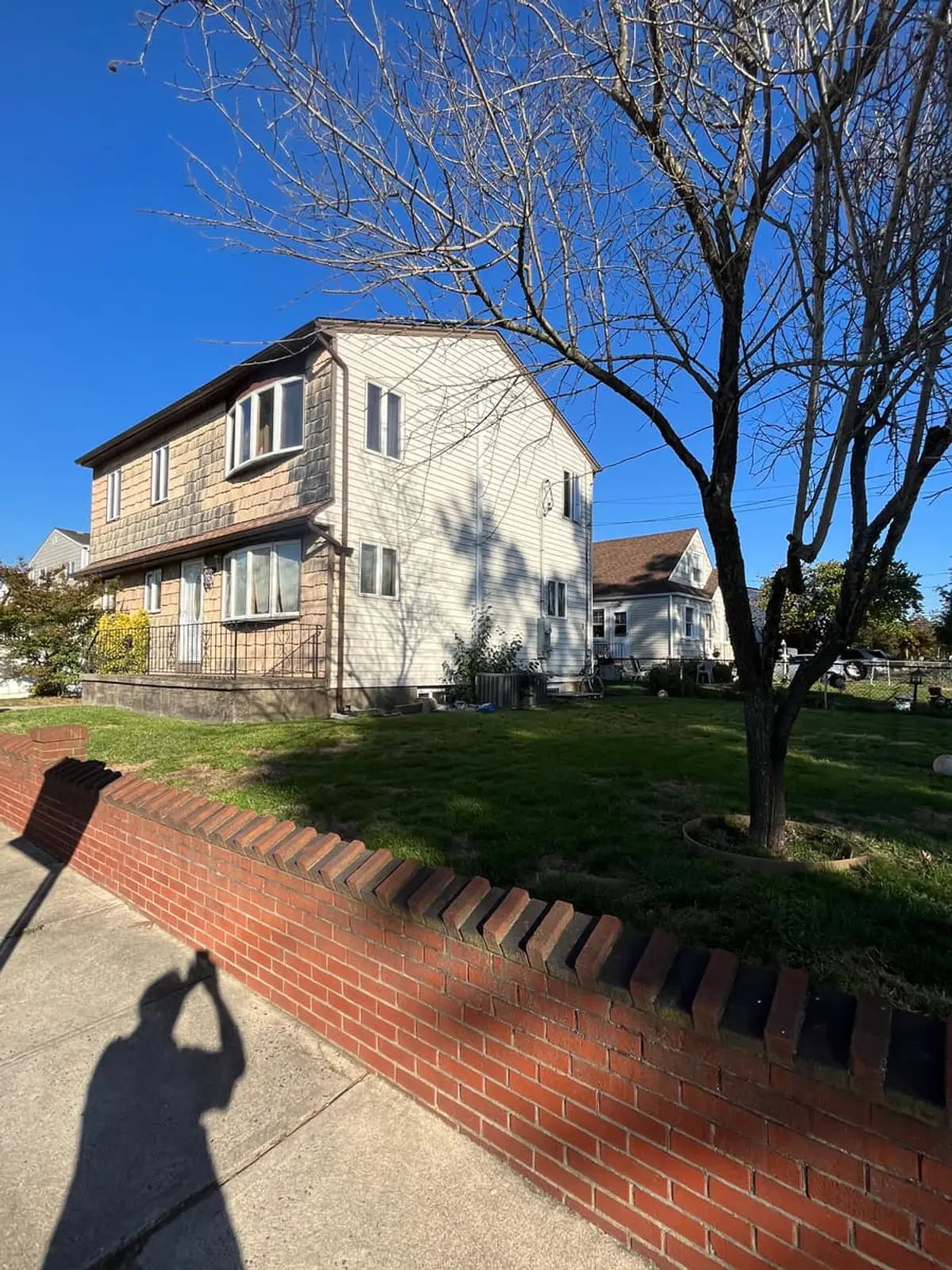
What else to try before selling to clear debt
The specific case worth pausing on: selling a house to pay unsecured debt that a bankruptcy might have discharged anyway. That happens, it is expensive, and it is avoidable with one conversation.
Equity in a home receives certain protections. Cash from a sale is treated differently. Which is to say the order in which you do things can change the outcome substantially, and a bankruptcy attorney will tell you that in an hour. Ask before the house goes under contract.
The Elmont market underneath this
The median has slipped 1.35% year over year as of 2026-05. It is a small move, but a softening market punishes the houses that need work first - buyers with choices do not choose the project. A $725,000 median puts Elmont in the band where buyers are stretching to afford the house and have nothing left for the roof. That is precisely the buyer who walks away from a property needing work, and it is why condition matters more here than the price alone suggests. The median house goes under contract in about 43 days, which is not slow - but it describes houses that were already showable on day one.
A four-bedroom on Harrison Street. A three-bedroom on Renfrew Avenue. A three-bedroom on Rosser Avenue. All of them in Elmont, all bought by us.
Debts already secured against the Elmont house
Most of what attaches to a house can be cleared at closing out of the sale proceeds, which is the usual mechanism and nothing unusual. What it does is reduce what reaches you.
We buy houses with liens and judgments regularly and they do not put us off. What we would ask is that you tell us what you know about early, so the number we give you is one that survives the title search.
Speed is worth something here, and so is certainty
Interest does not pause while a listing runs. Whatever your balances are costing per month, multiply that by the length of a retail sale in Elmont and put it next to the difference in price. Sometimes the listing still wins comfortably. Sometimes it does not, and people are surprised which.
Do that arithmetic before you choose a route. It is the one calculation specific to selling for debt, and it is the one nobody runs.
What the two paths cost in Elmont
These are the two routes open to you with a house with debt behind it, priced against what Elmont houses actually sell for.
Work it against Elmont's own numbers. The median sale here is $725,000. A 5% commission on that is $36,250, and seller closing costs of about 2% add roughly $14,500. Those are costs we can cover on our side. That is $50,750 gone before anyone counts the repairs it took to get the house listable.
There are two waits in a listed sale and people usually only count the first. In Elmont the median house takes about 43 days to go from listed to a signed contract. Then it waits again, typically 45 to 60 days, while the buyer's lender orders an appraisal and underwrites the loan. Call it 88 to 103 days from sign to keys, assuming nothing goes wrong.
The part worth understanding is what a signed contract actually guarantees, which is less than most sellers assume. A retail buyer with a mortgage contingency can walk away right up to the end. If they do not qualify, if the appraisal comes in under the price, if they change their mind and let the financing lapse. A share of deals die exactly there, after months of waiting, and the house goes back on the market with time on it. We are not borrowing anything, so there is no lender to satisfy, no appraisal to come in low and no contingency to exercise.
| Listing with an agent | Selling to us | |
|---|---|---|
| Sale price | $725,000 (Elmont median) | Our written offer |
| Commission | −$36,250 | None |
| Seller closing costs | −$14,500 | We can cover them |
| Repairs before listing | Out of pocket | None |
| Cleanout | Yours | Ours |
| Showings | Until it sells | One visit |
| Listed to signed contract | 43 days (Elmont median, once listable) | 24 hours to a written offer |
| Contract to closing | 45 to 60 days (waiting on the buyer's lender) | A date you choose |
| Total wait | 88 to 103 days if nothing falls through | Yours to set |
| Can the buyer walk? | Yes (mortgage contingency runs to the end) | No financing to fall through |
| Before repairs and carrying | $674,250 | The number we put in writing |
For the listing side we have used a 5% commission and about 2% in seller closing costs; your real figures may differ. Repairs and carrying costs are left out because they depend on the house. If yours is in good shape, a good agent may well get you more than we would, and we will tell you if so.
Where the money from an Elmont sale should go
Secured debts come off at closing automatically. Everything else is up to you, and it is worth deciding before the money arrives.
Get a written payoff figure from each creditor, not a statement balance. Some creditors will accept a lump-sum settlement for less than the balance, and a nonprofit credit counselor can tell you whether yours are likely to. Ask a CPA whether any of the sale is taxable before you plan the money, so a tax bill does not become the next debt.
How selling a house with debt behind it in Elmont works
- 1
Start with the basics
Where the house is (11003) and a rough sense of its condition is all we need to begin. Call or use the form. Nothing needs fixing or clearing out beforehand.
- 2
We walk through it once
A single visit by one person, normally under thirty minutes. With a cape cod or ranch built when most of Elmont was, the roof, heating and electric matter far more to us than the kitchen does.
- 3
A written offer within 24 hours
One figure, in writing, inside 24 hours. Not a range. Show it to a Nassau County agent if you want a second view; if the house is already in good enough shape to list, an agent may get you more, and we will say so.
- 4
You pick the closing date
Fast if you need fast, or months out if you are waiting on probate, a tenant, or somewhere to move to. Either way you skip the 88 to 103 days a listed Elmont house spends finding a buyer and then waiting on that buyer's mortgage.
Where you live next
Selling to clear debt also means moving, and that part needs planning as much as the numbers do. Work out what you can afford next, whether that is renting or something smaller, before you pick a closing date.
We set the closing date around your move rather than the other way round. Take what you want and leave the rest, because the cleanout is ours. People in this position are usually juggling a lot, and the move out of an Elmont house should not be the part that goes wrong.
Common questions
Will selling the Elmont house clear my debt?
Only the arithmetic can say. The sale price pays off the mortgage and any liens before anything reaches you, and whatever is left is what you have for other debts. Get the value, the payoff figure and your other balances in writing before making the decision.
Should I talk to anyone before selling to pay off debt?
Yes, and preferably before you talk to any buyer including us. A HUD-approved housing counselor for mortgage debt, a nonprofit credit counselor for consumer debt, and a bankruptcy attorney if the amounts are large. Two of those are free and all three are cheaper than selling a house you did not need to sell.
What if there are judgments or creditor liens against me?
A judgment that has attached to the house is normally paid off from the proceeds at closing. That is routine and does not stop the sale; it just means less reaches you. Ask your attorney to order a title search early so there are no surprises close to the closing date.
What if the house is worth less than the debt secured on it?
Then the lender has to agree to accept less than the full balance, which is a short sale. We handle those directly, and there is a page on how they work. Begin by asking the lender for a written payoff.